
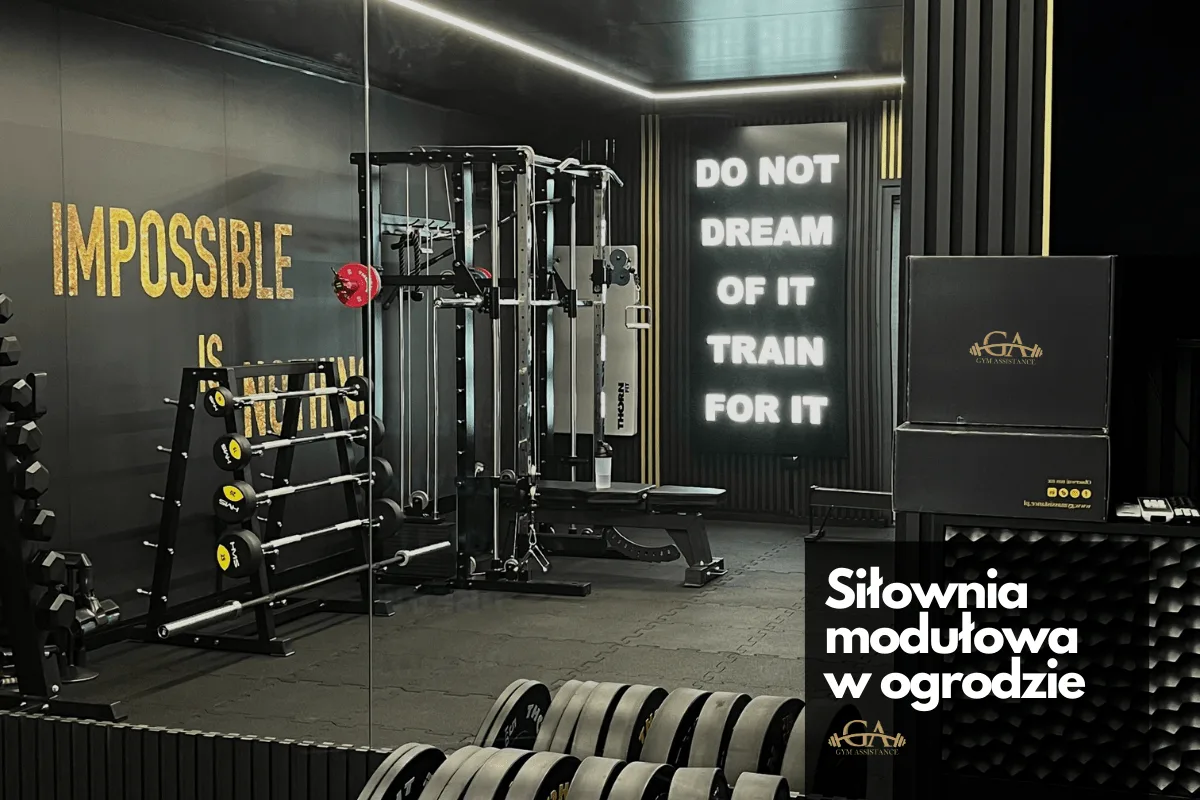
“My son is 15 and he wants to start lifting. Can I set up a gym for him at home?” — we hear this more and more often. Usually from parents who’d rather have their kid training under their own roof than in an unfamiliar commercial gym across town.
The good news: strength training for teenagers is safe and genuinely beneficial — when it’s matched to their age and ability. The bad news: not every piece of “adult” kit belongs in front of a 13-year-old.
Is strength training safe for children and teenagers?
This is one of the most stubborn myths in fitness: “Lifting weights stunts your growth.”
Current sports-science consensus says otherwise:
➜ Supervised resistance training for teens (12+) is safe
➜ It does not stunt growth — the myth dates to the 1970s and has been debunked repeatedly
➜ It builds bone density, coordination and posture
➜ It reduces injury risk in competitive youth sport
This view is shared by the NHS and bodies such as the UK Strength and Conditioning Association: the issue isn’t lifting itself, it’s how it’s loaded and supervised.
Where’s the line? Maximal-effort lifts (1-rep max, powerlifting attempts) aren’t advised until growth is largely complete — roughly 16–18 in boys, 14–16 in girls. Moderate loads with good technique are fine from around 12–13.
Three home-gym models for a family with a teenager
Model A: Teen’s own gym (single user, 12–18)
Focus: function and safety, room to learn technique, nothing “too heavy” within easy reach.
Equipment:
| Equipment | Cost | Age / purpose |
|---|---|---|
| Pull-up bar | from £30 | From 10, upper body |
| Resistance bands (set of 5) | from £20 | From 10, functional work |
| Fixed dumbbells 5–20 kg | from £80 | From 13, classic strength |
| Kettlebell 8–16 kg | from £40 | From 13, coordination and strength |
| Adjustable bench | from £150 | Foundation of strength training |
| Skipping rope / agility ladder | from £20 | Cardio and footwork |
What to avoid for under-15s:
➜ A loaded power rack with heavy plates (risk with imperfect technique)
➜ Plate-loaded machines with long lever arms — too much torque
➜ A barbell with a load that’s too ambitious
Model B: Family gym (parents + teenager)
The most common case: dad trains seriously, mum does cardio, the son wants strength, the daughter wants functional work. One space, four sets of needs.
Gym Box 9×3 layout for a family:
➜ Strength zone: multi-function rack + Olympic bar + 40–80 kg of plates — for the adults
➜ Functional zone: kettlebells, bands, pull-up bar, TRX — for the whole family
➜ Cardio zone: exercise bike or air bike — for everyone
➜ Mobility zone: mat, foam roller, bands — especially for the younger members
A rack with adjustable safety spotter arms means safe squats and bench work even without a training partner — which matters when a teenager is training alone.
The 9×3 footprint is the sweet spot here; if budget allows, the Gym Box 6×5 gives you a clearer split between zones.
Model C: Athletic gym for a competitive teen (15–18)
A teenager competing in football, basketball, athletics or combat sports needs targeted strength and conditioning, not just general fitness.
Priorities:
➜ Explosive power — box jumps, medicine-ball throws, jump work
➜ Stabilisation — core work, TRX, loaded planks
➜ Speed — agility ladders, sprint drills, resistance-band sprints
➜ Mobility and injury prevention — especially hips, shoulders and ankles
This needs more floor space than a standard Gym Box 8×3. We’d suggest a 9×3, 6×5 or 7×5 with a dedicated clear-floor area for movement work.
The safety side — what to get right
A gym built with a teenager in mind benefits from a few extra decisions:
➜ Safety spotter arms on the rack — so they can train without a spotter present
➜ Thicker flooring — minimum 20 mm rubber, 30 mm for explosive work. See our gym flooring guide
➜ Conservative starting loads — a dumbbell set capped at 20 kg for a 13-year-old, scaling up with age
➜ House rules — e.g. always tell someone before a solo session
➜ Ventilation and AC — younger bodies are more prone to overheating, so don’t skip climate control
If you have any doubt about a particular condition or a specific lift, a quick word with your GP or a qualified S&C coach is worth it before loading up.
DOES THIS SOUND FAMILIAR?
“My son would happily go to the gym, but I don’t want him going on his own. If it were at home…”
That’s the single most common reason families come to us. The kid gets access to proper kit under a watchful eye — no unfamiliar environment, no peer pressure, no strangers giving advice.
Plenty of our projects started life as “a gym for dad” — and a year later the whole household is using them. The garden gym in Zegrze is a textbook example.
Summary
➜ Strength training for teenagers from 12–13 is safe with the right kit and supervision
➜ The family model — one Gym Box for everyone — works best in practice
➜ Multi-function rack with safety arms + dumbbells + cardio = a solid base
➜ Space is motivation — a private gym at home raises how often a teenager actually trains
Want to plan a family gym? Let’s talk. Free consultation, response within 24 hours.
➜ Get in touch with Gym Assistance
➜ Get a quote for your build
➜ Gym Box container gyms
➜ Bespoke home gym adaptations