
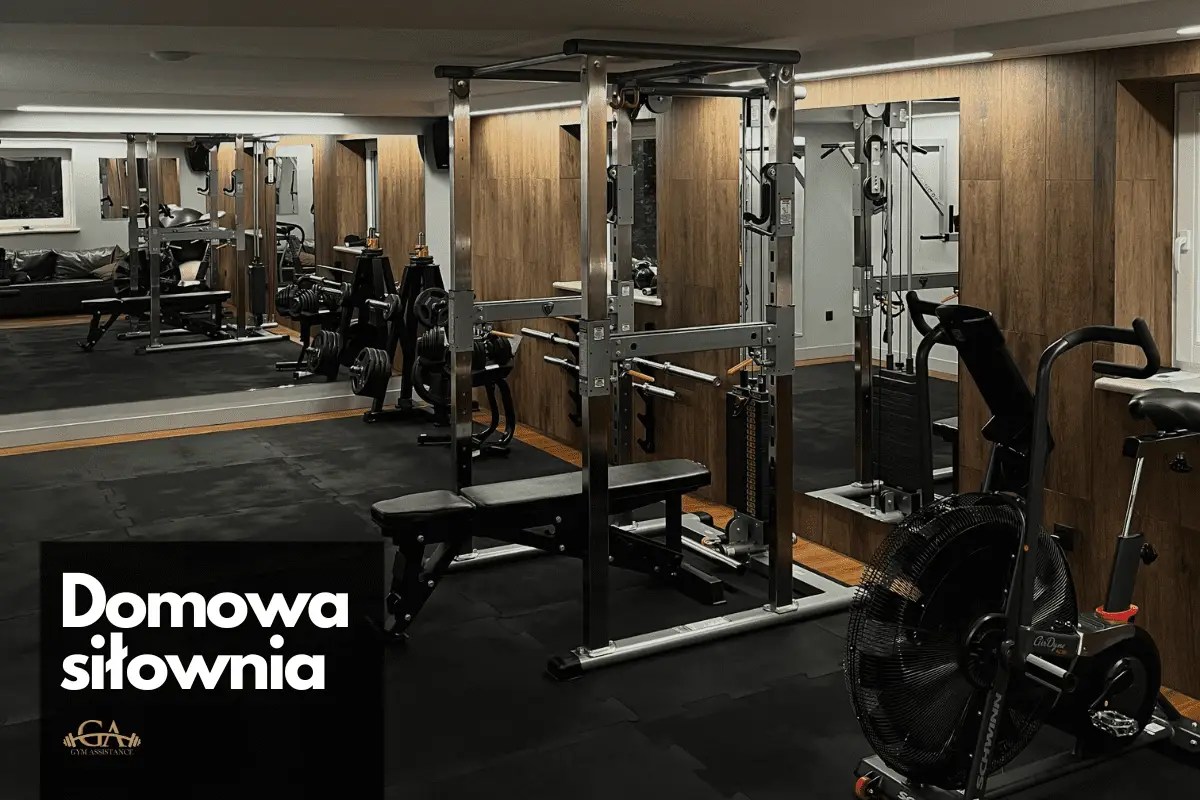
The floor is the one piece of kit in a home gym that you will use under every other piece of kit, for the next 10–15 years. Get it wrong — your joints ache, the room booms with every deadlift, dropped weights crack the slab and your kit slowly wobbles loose. Get it right — you stop thinking about it, which is exactly the point.
Below: a straight comparison of the four options British gym owners actually use, with current UK pricing and the honest verdict on where each one belongs.
Why “what floor?” is never a one-line answer
A home gym is not a single space. You have at least three zones with different physics:
➜ Free-weights zone — dropped dumbbells, loaded bars, bumper plates. You need shock absorption and dent resistance.
➜ Cardio zone — treadmill, rower, bike, ski-erg. Vibration and footfall to be damped.
➜ Functional / mobility zone — comfort, grip, easy to wipe down.
No single floor wins every zone. But there are four candidates that cover 95% of UK home and container gym builds, and most projects mix two of them.
Option 1 — Interlocking rubber tiles (puzzle mats)
The default for UK home and garage gyms. Cheap, DIY-friendly, available next-day from Amazon, Mirafit, Bulldog Gear or trade suppliers.
| Spec | Range |
|---|---|
| Thickness | 15 mm (cardio) / 20–30 mm (weights) / 40–50 mm (Olympic lifting) |
| Price | £15–30/m² (15 mm) / £35–55/m² (20–30 mm) |
| Installation | DIY, dry-laid — interlocks like jigsaw pieces, no adhesive |
| Moisture resistance | Excellent |
| Load rating | Up to ~500 kg/m² for good-quality tiles |
| Lifespan | 10–20 years under normal home use |
Pros:
➜ Real shock absorption — protects both your kit and the slab underneath
➜ Anti-slip even when sweaty
➜ Damaged section? Pull it out and replace one tile, no need to redo the floor
Cons:
➜ Rubber smell for the first 2–3 weeks (vent the room or air the tiles outside before laying)
➜ Tiles can creep apart over time without a perimeter trim — easy fix with a length of 25 mm angle
➜ Cheap tiles (EVA foam rather than real recycled rubber) flatten under a power rack within months
Verdict: 20 mm under a rack with dumbbells up to 24 kg, 30 mm if you’re pulling Romanian deadlifts or using bumper plates, 40 mm+ if you lift Olympic and actually drop.
Option 2 — Rolled rubber matting / stable mats
Commercial gym standard, increasingly common in premium home builds. Stable mats (yes, the ones meant for horse boxes) are the UK lifehack — same EPDM rubber, sometimes half the price.
| Spec | Range |
|---|---|
| Thickness | 6–10 mm (rolled) / 17–24 mm (stable mats) |
| Price | £30–60/m² (rolled) / £40–50/m² (stable mats — usually sold per 6×4 ft mat at £80–110) |
| Installation | Loose-lay for stable mats; rolled matting often glued with PU adhesive |
| Moisture resistance | Excellent |
| Aesthetics | Continuous surface, no jigsaw lines |
| Lifespan | 15–25 years |
Pros:
➜ The “real gym” look
➜ One piece — no joints, no creep, no edges to trip on
➜ Easy to mop with normal floor cleaner
Cons:
➜ Rolled matting wants an experienced installer if you go over 20 m²
➜ Higher cost per square metre than basic interlocking tiles
➜ Even at 10 mm, rolled rubber alone isn’t enough where you regularly drop loaded Olympic bars — add a 50 mm drop pad in that one spot
Verdict: Strong choice for the cardio + machines section, with a dedicated 2×2 m drop pad on top in the lifting corner. Stable mats are an underrated value option for the whole free-weights zone.
Option 3 — LVT / vinyl planks
Popular in “designed” home gyms where you want the room to look like a gym studio, not a warehouse.
| Spec | Range |
|---|---|
| Thickness | 4–8 mm (rigid-core SPC most common) |
| Price | £20–45/m² supply, £8–15/m² to fit |
| Moisture resistance | Excellent (SPC is fully waterproof) |
| Load rating | Moderate — heavy plate-loaded kit can leave dents |
| Aesthetics | Best of the four — wood, stone or concrete looks |
Pros:
➜ Looks like a normal living space, not a gym
➜ Warm under bare feet, easy to keep clean
Cons:
➜ Will not absorb a dropped barbell — you will dent it and damage the slab below
➜ Should never be the only finish where loaded barbells live
Verdict: Use as the decorative base layer in the cardio and warm-up area, with rubber tiles or stable mats on top in the weights zone.
Option 4 — Engineered timber
For dojo-style spaces, boxing rooms or CrossFit boxes where “wood under sprung pad” is a design statement.
➜ Engineered oak or pine — beautiful, but needs sealing and routine maintenance
➜ Springy underfoot — kind to footfall and functional movement
➜ Wrong under barbells — scratches, dents, and the gaps trap chalk
We use timber as a decorative layer over a rubber substrate, or as the floor of a combat / martial arts zone with tatami squares on top.
What we put in a Gym Box as standard
Every Gym Box container ships with 15 mm rolled gym rubber across the whole floor, with thickness and colour options at the configurator stage. Clients on the Premium spec usually choose:
➜ Weights zone: 30 mm rolled rubber or stable mats
➜ Cardio zone: 15 mm rolled rubber, or LVT with rubber under treadmills
➜ Entrance / changing corner: LVT or brushed engineered timber
You can mix zones inside one container — we map them in the floor plan stage, not as an afterthought. See the full equipment package for the spec.
What does the floor cost for a Gym Box 8×3 (24 m²)?
| Option | Material | Fitting |
|---|---|---|
| Interlocking rubber 20 mm | £450–700 | £0 (DIY) |
| Stable mats (4 × 6×4 ft) | £320–440 | £0 (loose lay) |
| Rolled rubber + drop pad | £900–1,500 | £150–300 |
| Mixed (LVT cardio + rubber lifting) | £700–1,200 | £200–400 |
For a UK home gym in a garage of similar size, multiply by 0.9–1.1 — the same options apply, with the addition of an under-slab vapour membrane if the garage floor is uninsulated and damp-prone.
Working out your floor plan? We’ll quote the flooring as part of the build and bring real samples to the design call so you can feel the difference between 15 mm and 30 mm before you commit.
➜ Get in touch with Gym Assistance
➜ See the full Gym Box equipment package