
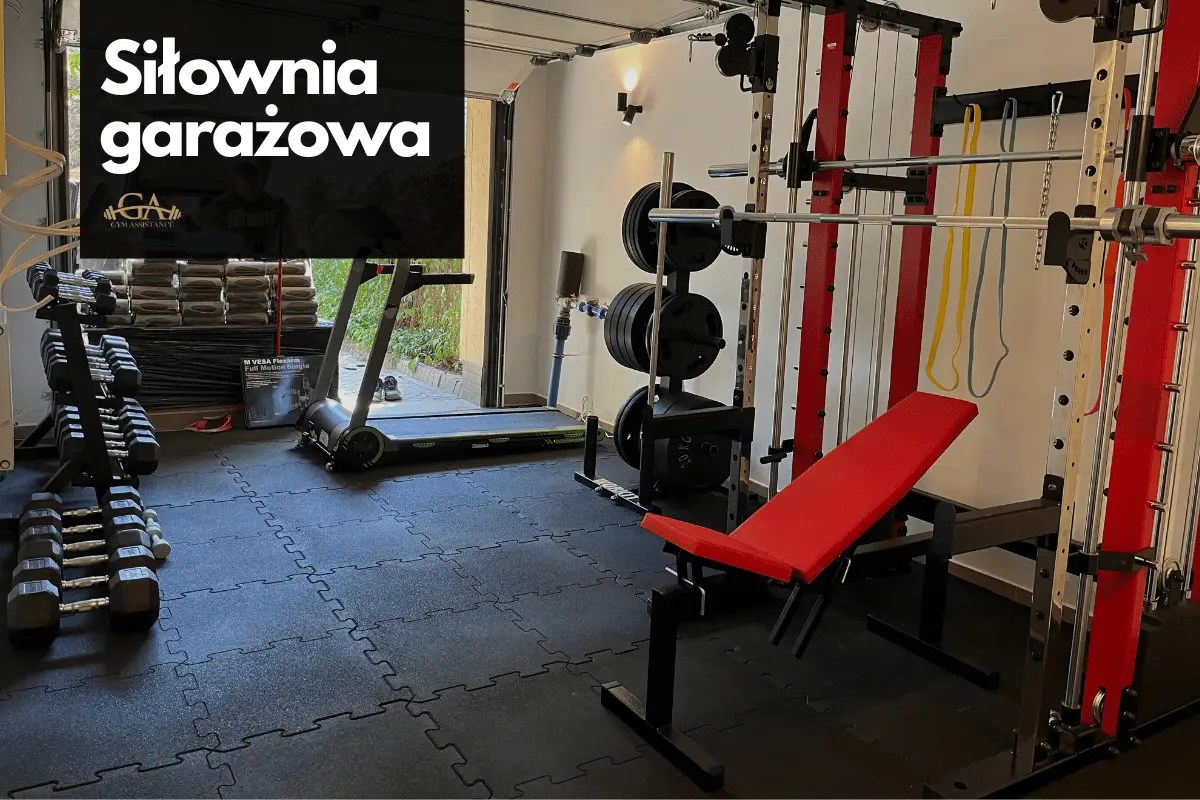
That garage isn’t storing your car. It’s storing your potential.
One car takes up roughly 12 m². A standard single garage is 18–25 m². A double is 35–50 m². The rest of that space is usually home to bikes you haven’t ridden, boxes you haven’t opened and tools you can’t find.
A garage gym is one of the most popular projects we deliver – particularly for people in their 30s and 40s who want to train seriously, on their schedule, without the commute and the crowd.
The garage is perfect for this and here is why:
➜ Concrete floor – takes any load without reinforcement. Drop the weights, rack the barbell. No worries.
➜ 2.5–3 m ceiling height – enough for a pull-up bar, high cable pulley and overhead press without ducking.
➜ Garage door = natural ventilation – open it in summer, your lungs will thank you.
➜ Separate from the house – music as loud as you want, chalk on the floor, plates clanking. No complaints.
DOES THIS SOUND FAMILIAR?
You keep meaning to get back to training. The gym is too far, the car park costs £5, and it closes before you finish work on Thursdays. By the time you get there and get changed, you’ve talked yourself out of a heavy session.
The garage gym removes every one of those excuses. The barrier is: put on your shoes and walk ten metres.
What fits in your garage?
Single garage (18 m²):
➜ Wall-mounted rack with pull-up bar and high cable
➜ Dumbbell set 5–30 kg on a rack
➜ Kettlebells in 3–4 sizes
➜ Full rubber floor covering
➜ TRX and resistance bands on wall hooks
Double garage (35 m²):
➜ Freestanding power cage with high and low pulley
➜ Barbell, bumper plates, dumbbell set to 40 kg
➜ Adjustable bench
➜ Treadmill or rowing machine
➜ Warm-up/stretching area with mat
➜ Rubber flooring throughout
➜ Optional: fridge for recovery drinks, Bluetooth speaker
You can also keep one parking space. We design around your car – equipment along the walls, free space at the door end.
The three problems every garage gym needs to solve
1. Heating
A UK garage in January is cold. Your performance suffers, your motivation suffers and the risk of injury increases when muscles are cold.
Solutions – from simplest to most complete:
| Option | Heat-up time | Monthly cost | Best for |
|---|---|---|---|
| Electric fan heater | 5–10 min | £15–30 | Uninsulated garage, infrequent use |
| Gas or diesel space heater | 5–10 min | £10–20 | Larger garages, mains gas available |
| Wall-mounted electric convector | 15–20 min | £20–35 | Insulated garage, regular training |
| Split-system heat pump (A/C+heat) | 15–20 min | £8–15 | Best long-term efficiency, cools in summer too |
We specify the right heating solution for your garage, insulation level and training frequency.
2. Ventilation
You will be sweating. The garage needs air movement or it becomes uncomfortable fast, especially with a gas heater running.
➜ For garages with a window: sufficient in most cases
➜ For windowless garages: we install a simple mechanical extract fan
➜ Summer training: open the door or add a ceiling fan
3. Noise and vibration
Dropping barbells on concrete is loud. Neighbours underneath (in a semi or terrace) will notice.
Solutions:
➜ 20–25 mm rubber tiles as the primary floor layer
➜ Deadlift platform (rubber mat + horse stall mats + plywood) for Olympic lifting
➜ Vibration isolator pads under the rack
The rubber absorbs the majority of impact noise. A thick deadlift platform absorbs the rest.
What about damp?
UK garages – particularly integral and below-ground garages – can suffer from condensation and damp. This affects equipment over time.
We address this with:
➜ Waterproof paint or sealant on bare concrete walls and floor before laying rubber
➜ Moisture-resistant rubber mat specification
➜ Dehumidifier recommendation if the garage has a known damp issue
Cost guide
| Configuration | Space | Approx. investment |
|---|---|---|
| Functional starter (rack, dumbbells, floor) | 15–20 m² | £24,000–30,000 |
| Full strength setup with cardio | 20–30 m² | £30,000–50,000 |
| Premium studio with A/C and all zones | 30–50 m² | £50,000–90,000 |
All prices include design, equipment supply and installation. Heating and electrical work quoted separately if required.
FAQ
Do I need planning permission to convert a garage into a gym?
No. Changing how you use an existing garage is not a change of use that requires planning consent, provided you are not creating a separate dwelling and the structure is not altered. No building regulations application is required for a straightforward fit-out.
Can I still park my car in there?
Yes. We design around keeping one parking space if you need it. Equipment along the walls, clear floor at the door end.
What if my garage has no power supply?
We can run a new circuit from your consumer unit to the garage as part of the project. This is standard practice and typically costs £600–1,400 depending on cable run length.
How long does a garage gym take to set up?
Typically 2–4 weeks from design approval to completed installation. The garage itself may need 1–2 days of prep work (cleaning, floor sealing) before equipment goes in.
➜ No garage? A spare room works too – see home gym options
➜ Want a completely separate garden gym? Explore container gyms
➜ See all custom gym solutions