
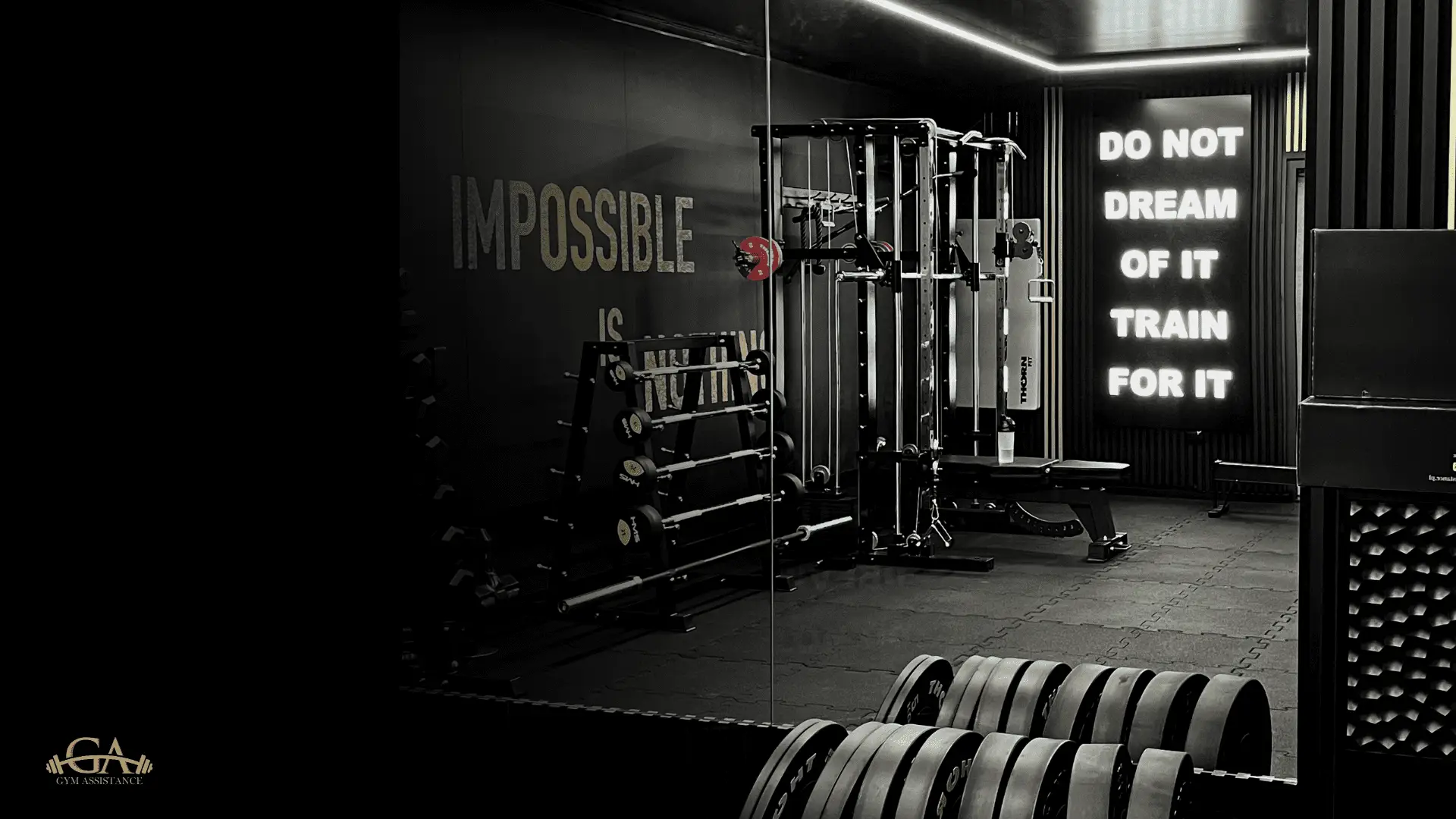
After 200+ builds across Poland and growing UK installs we have seen most of it: families who ordered an 8×3 for five trainees, foundations poured by eye and cracked through after one British winter, “budget” packages with a rack that can’t take a cable attachment six months later. This article is a list of ten mistakes that most often cost UK buyers extra money, extra time, and the headaches that come with both.
1. Wrong size — the most expensive mistake
| Situation | Recommended size |
|---|---|
| 1 person, solo training, basic range | 7×3 or 8×3 ➜ |
| 2 people (couple) + cardio | 9×3 Standard/Premium ➜ |
| Family of 3–4, mixed training styles | 6×5 Bestseller or 7×5 ➜ |
| Commercial / hotel / club | 7×5 or larger custom ➜ |
➜ An 8×3 for three people = one trains, two queue. A 7×5 for solo use = 35 m² wasted and an unnecessary £6,000+ on the bill. Full sizing guide ➜
2. Saving on insulation
Standard Gym Box spec is 120 mm of mineral wool. Some manufacturers offer 100 mm “to keep the price down”. The real numbers:
- Price difference: £80–120 across the whole module
- Winter electricity cost: 35–45% higher for a 100 mm shell vs 120 mm
- Acoustic comfort (neighbours over the fence): noticeably worse
It’s literally the worst “saving to loss” ratio in the entire project.
3. Not checking the local planning portal before ordering
Most UK Gym Box installations fall under permitted development rights as outbuildings, but several conditions bite: front-of-property placement, plots in Conservation Areas, AONBs, listed-building curtilage, or properties with prior planning conditions removing PD rights. It costs £0 and 30 minutes — log into your council’s planning portal and check the property’s planning history.
If you’re in a Conservation Area or have removed PD rights, you’ll need either a Lawful Development Certificate (advisable anyway) or a full planning application. Better to know on day zero than to pay £3,000–8,000 in enforcement and remediation.
4. Cheap Basic packages without rack upgrade slots
Classic trap ➜ you order Basic at £18,500, train for six months, then want cable column and lat-pulldown attachments. Turns out the Basic rack has no upright cut-outs for cable attachments ➜ you buy a new power rack at £900–1,400.
➜ If there’s any chance you’ll want cables in the future, specify Standard from the start (difference ~£3,500, but the rack already has the slots).
5. Buying a portacabin instead of a purpose-built Gym Box
“I bought a second-hand office portacabin off eBay for £3,800, I’ll add some dumbbells and it’ll be fine.” Twelve months later ➜ rust spots inside, the floor has dipped under the rack, the roof drips condensation. An office portacabin has:
- 18–22 mm OSB floor (Gym Box: 30 mm marine-grade ply + 30 mm rubber)
- 50–80 mm insulation (Gym Box: 120 mm)
- Floor load rating ~150 kg/m² (Gym Box: 350 kg/m² private, 500 kg/m² commercial)
- No sports-equipment certification — your home contents insurer can decline a claim
➜ Cheaper by £3,000–4,000 at purchase, more expensive by £8,000–12,000 across three years.
6. Foundation “by eye” instead of a proper design
Most common mistake ➜ “I’ll pour a 300 mm strip and that’ll do.” After the first winter ➜ heave, cracked slab, doors stop closing. The right options for the UK:
- Concrete pad footings 600×600×600 mm below the frost line (~450–600 mm in most of the UK)
- Or a 150–200 mm reinforced slab on a compacted hardcore base
- Or ground screws (3 m piles, no dig — popular for soft Surrey clay or shifting Scottish moorland)
7. No three-phase supply (415V) for heat-pump multi-split
If you’re planning an air-to-air multi-split heat pump (5+ kW) ➜ you may need 3-phase supply (415V). Retrofitting that after the slab is poured ➜ trench, SWA cable, DNO connection fees — easily £2,000–4,000 if your supply head is far from the Gym Box.
➜ Plan it before the foundation goes in, even if the budget allows only single-phase on day one (pre-lay a duct).
8. Forgetting mechanical ventilation
Sweat + breathing humidity + no ventilation = 70–90% relative humidity after a 60-minute session ➜ misted windows, mould on mats, rust on weight sleeves.
Fix ➜ MVHR unit at 100–200 m³/h with 80% heat recovery. Cost: £800–1,800 plus install. It’s not optional — it’s how the room stays usable for a decade.
9. Skipping Lawful Development Certificate ➜ enforcement risk
For most UK domestic Gym Boxes (under 30 m² in the back garden, single-storey, low-pitch roof, more than 2 m from the boundary) permitted development applies. But applying for a Lawful Development Certificate (LDC) at £103 + £206 council fee gives you a piece of paper that:
- Protects you from future enforcement complaints by neighbours
- Is required by most buyers’ solicitors when you sell the property
- Costs less than 1% of the build and avoids any ambiguity
Skip it and you stake your sale on a future planning officer agreeing with your reading of the GPDO.
Planning permission step-by-step ➜ | FAQ ➜
10. Choosing the cheapest manufacturer
The “container gym” market is filling up with companies formed in 2024. What you miss with a budget supplier:
- No 10-year structural warranty (typical: 12–24 months)
- No included architectural drawings (upcharge £400–800)
- No CE/UKCA-marked equipment (problematic for insurance / commercial use)
- No in-house production ➜ a middleman buys a shipping container and bolts dumbbells in
- No references older than 12 months ➜ you don’t know what the module looks like in year five
How Gym Assistance is different ➜ | Realised projects ➜
Cost-of-mistake summary
| Mistake | Real cost to fix |
|---|---|
| Wrong size | £6,000–12,000 (second module or replacement) |
| Poor 100 mm insulation | £400–600 / year in extra heating |
| No planning check | £3,000–8,000 (enforcement + remediation) |
| Basic without cable rack | £900–1,400 (new power rack) |
| Used portacabin | £8,000–12,000 (replacement after 3 years) |
| Foundation by eye | £2,500–6,000 (structural remediation) |
| No three-phase | £2,000–4,000 (retrofit dig) |
| No MVHR | £800–1,500 + mould removal |
| Skipping LDC | Sale held up; possible enforcement |
| Cheapest supplier | £4,000–10,000 (warranty repairs out of pocket) |
How to avoid all ten?
Easiest route ➜ a 30-minute call with us before you order. We’ll check the planning portal for your property, size the module, recommend a foundation type, and prepare the LDC paperwork list. No cost, no commitment.
Free consultation · Response within 1 working day ➜ /en/kontakt/