
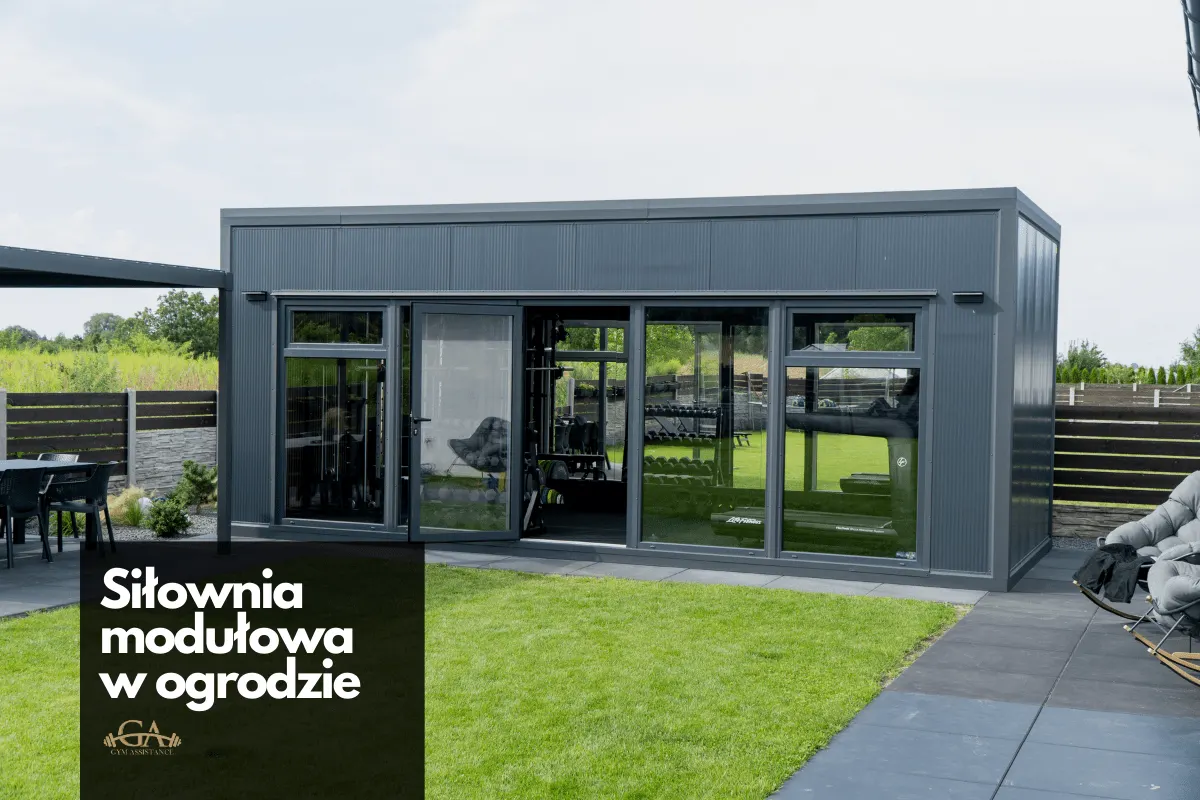
A container gym weighs between 2 and 5 tonnes depending on the model and equipment. To stand stable, level and for years on end — it needs the right base. Not every plot and not every legal situation calls for the same solution.
Here are four options we use and recommend to our clients — with costs and an honest assessment of pros and cons.
Option 1: Cast-in-place concrete point footings
The most popular solution for container gyms. Involves casting several (typically 6–8) concrete point foundations at the positions of the corners and intermediate supports of the container.
When to use:
- Plot with uneven terrain
- You want a stable foundation but without a permanent ground tie
- You want it to qualify formally as a temporary structure
Cost: £300–700 (materials + labour, depending on depth and ground conditions)
Pros:
- Stable, durable support
- Workable on uneven ground
- Not necessarily classified as a “permanent foundation” (depends on local planning rules)
- Container can be dismantled and relocated
Cons:
- Requires curing time (7–14 days)
- Levelling must be right — mistakes are expensive to fix
- May need deeper footings on very soft ground
Option 2: Precast concrete blocks
Off-the-shelf concrete blocks (sometimes called “kerbs” or “road blocks”) placed on levelled ground under the container’s corners and supports. The simplest and fastest method.
When to use:
- Plot with good, stable ground (not clay, not boggy)
- You want to put up the container quickly without waiting for concrete
- You want full mobility and the option to relocate
Cost: £60–160 (materials; labour minimal)
Pros:
- Very low cost
- Fast — container can go up the same day as the blocks
- Easy levelling correction (add a shim)
- No construction work — often no planning notification required
Cons:
- Less stable than cast footings — on moving ground there can be settlement
- Requires a levelled site
- Not suitable on slopes or with large height differences
Option 3: Concrete slab
A continuous concrete pour under the full footprint of the container or slightly larger. Used where maximum stability matters and you want to adapt the space (e.g. add a hard-paved area in front of the entrance).
When to use:
- Weak ground or variable bearing capacity
- You’re planning a long-term installation without relocation
- You want a level surface around the container
Cost: £800–1,800 (depending on thickness, reinforcement and area)
Pros:
- Highest stability
- Level surface around the container — comfortable access
- Option to extend (drive, terrace)
- With the right design — high durability for decades
Cons:
- Highest cost of these options
- Permanent ground tie — formally requires planning permission or at least a notification with a design
- Hard to remove if the container is ever relocated
Option 4: Concrete pallets or precast road plates
Similar principle to the blocks but using larger precast elements (e.g. road plates, concrete pallets). Used for large containers or where a hard surface needs to be prepared quickly.
When to use:
- Temporary installation on a site, event or seasonal use
- Container will be moved every few years
- Ground with grass / soil cover
Cost: £120–300 (used or new elements)
Pros:
- Fast installation
- Elements can be reused
- Good load capacity over large areas
Cons:
- Less aesthetic than a slab
- Precise levelling harder
- Possible settlement on soft ground
Options compared — the table
| Option | Cost | Stability | Durability | Mobility | Formalities |
|---|---|---|---|---|---|
| Concrete point footings | £300–700 | High | High | Possible | Notification (depends on council) |
| Precast blocks | £60–160 | Medium | Medium | Full | Often no notification needed |
| Concrete slab | £800–1,800 | Very high | Very high | None | Planning permission or notification with design |
| Pallets / road plates | £120–300 | Medium | Medium | Full | Often no notification needed |
What do we recommend?
In the vast majority of our installations we use cast concrete point footings — poured on site under the corners and intermediate support points of the container. It’s the sweet spot: stability on par with a permanent foundation, while still allowing the container to be treated formally as a temporary structure.
We recommend precast blocks for tight budgets and good ground, or when the client plans to relocate the container in the future.
A concrete slab makes sense for hotel or commercial installations, where surrounding aesthetics and long-term stability matter.
Unsure about your ground? Get in touch — at the design stage we assess the site and advise the best option for your plot. UK-based ground assessments coordinated with local groundworks contractors.