
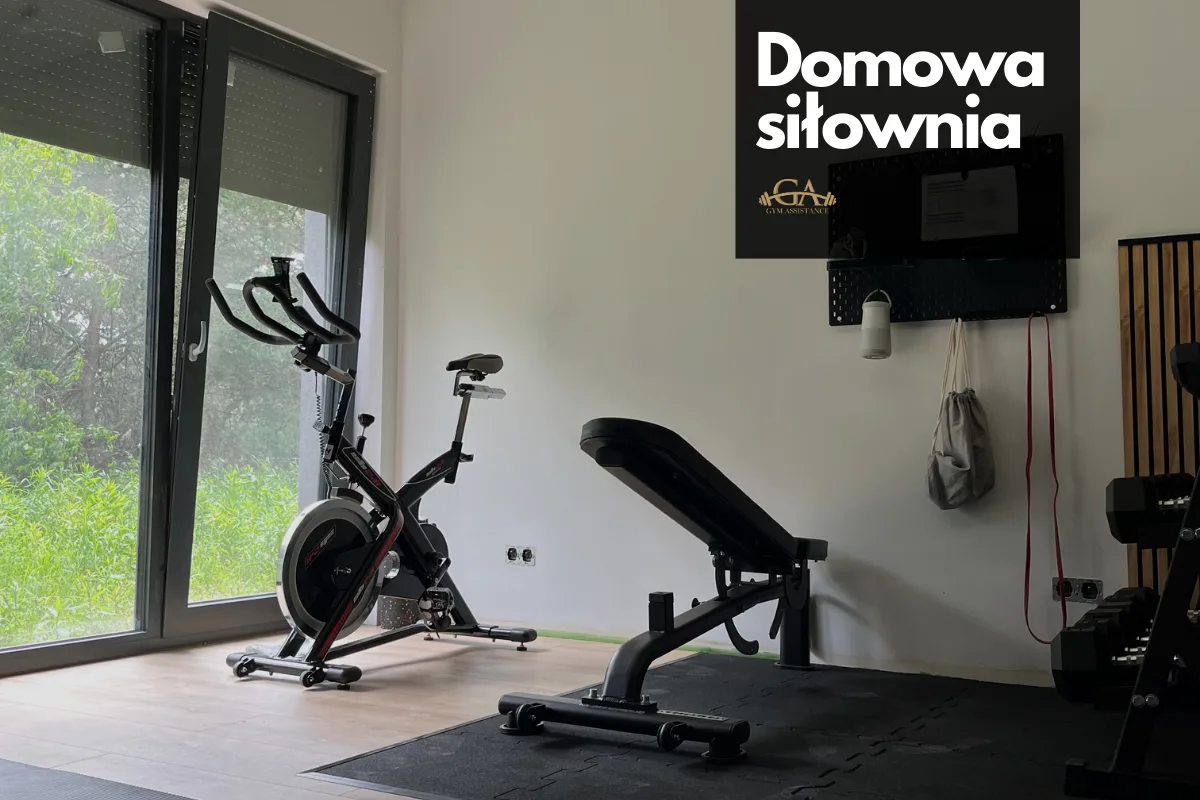
A gym at home is the end of excuses: 30 seconds from the sofa to your warm-up, no commute, no membership, the equipment always free. But “a gym at home” can mean four very different things — and each one has a different budget, different requirements and a different ideal owner.
This guide helps you pick the right format before you spend a single pound.
Four ways to build a gym at home
| Format | Minimum space | Budget | Best for |
|---|---|---|---|
| Spare room | 12 m² | from £4,400 +VAT | quick start, small budget |
| Garage | 15 m² | from £5,800 +VAT | strength training, free weights |
| Basement / cellar | 15 m² | from £4,400 +VAT | quiet, “hardcore” feel |
| Garden module | an 8×4 m plot | from £13,000 +VAT | full separation, family use |
Option 1: a spare-room gym
The fastest route — adapting a room you already have: reinforcing the floor, mirrors, lighting and equipment. The limits are noise (a treadmill or dropped weights carry through the whole house) and floor area.
➜ See how a spare-room home gym conversion actually works.
Option 2: a garage gym
Concrete floor, decent ceiling height, a separate entrance — a garage is built for strength training. The challenges: winter temperatures (an uninsulated UK garage sits at -5 to +5°C in January) and sharing the space with the car.
➜ Full walk-through: garage gym fit-out.
Option 3: a basement gym
Naturally cool in summer, quiet, and usually unused. The two things that matter most are ventilation and good LED lighting — basements are short on natural light and airflow.
➜ Where to begin: basement gym, step by step.
Option 4: a garden gym (a module)
A ready-made, fully insulated steel module placed in your garden — a standalone building dedicated to training and nothing else. It’s the most expensive format, but the only one that takes nothing away from the house: no room given up, no noise indoors, no compromises.
➜ Sizes, prices and variants: Gym Box container gyms.
A home gym for the whole family
One pattern shows up again and again across our projects: a gym at the house changes the habits of everyone in the household, not just the person who ordered it.
- Children and teenagers — Swedish wall bars, a mat, light dumbbells; training becomes a normal part of the day rather than “going to a class”
- Your partner — a cardio corner or yoga and Pilates zone alongside the strength area
- Grandparents — a recumbent bike and mobility work, with no self-consciousness in front of strangers
If the gym is meant to serve more than one person, aim for at least 24–30 m² — two people training at the same time need separate zones.
Where to start? A five-step plan
- Count the users — one person: 12–21 m² is plenty; a family: 24 m² and up
- Assess the space — a free room, garage or basement; and if there isn’t one, will the garden take an 8×4 m module with crane access?
- Set the budget — adaptations from £4,400 +VAT, garden modules from £13,000 +VAT; finance and leasing options available for businesses
- Check the formalities — indoor adaptations need nothing; a garden module usually falls under permitted development, but a chat with your local planning authority before you order is always worth it
- Plan the equipment last — space and services first, then kit chosen around your goals
Torn between the garden and a room inside the house? We settle that comparison in garden gym vs home gym.
See our clients’ home gyms
From a 15 m² spare room to a 35 m² garden module — real projects, with budgets and photos. Our modules ship from our Polish workshop across the UK and Ireland as standard.
Not sure which format fits your home and budget? We’ll talk it through and price it up — no pressure.
➜ Free consultation · response within 24 hours ➜ Build your quote