
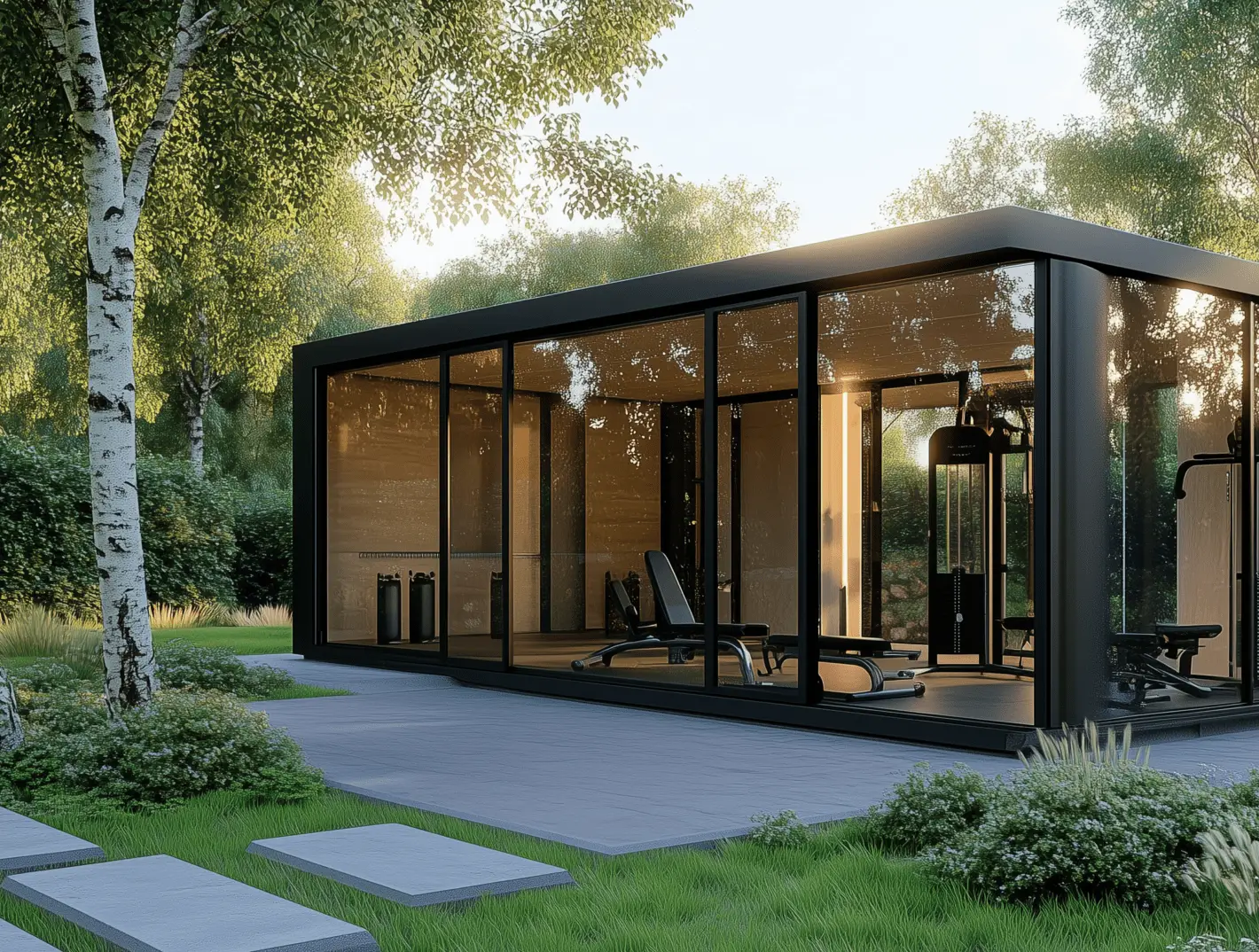
A container gym is increasingly a business purchase rather than a private one. Hotels, holiday parks, companies building a staff wellbeing perk, personal trainers running a limited company — they all ask the same question: can I put a Gym Box through the business, and is it tax-deductible?
Below is a straight answer, no waffle. One caveat first: every figure here is a general guide for the UK market in 2026. Tax treatment depends on your business structure and your use case, so confirm the detail with your accountant before you commit.
Option 1: Cash purchase — a capital asset
The simplest route for a business with cash on hand.
➜ The Gym Box goes on the books as plant and machinery (a movable, modular structure — not a permanent building)
➜ It typically qualifies for the Annual Investment Allowance (AIA) — you can write off up to £1 million of qualifying spend in the year of purchase
➜ VAT: fully reclaimable if the gym is used for taxable business activities and you’re VAT-registered
➜ No ongoing finance cost — you own it outright from day one
Example: a Gym Box 9×3 Standard at from £24,000 including VAT (net from £19,500). A VAT-registered business reclaims the VAT and claims the AIA on the net cost, so the full £19,500 can be deducted from taxable profits in the year of purchase. At 25% corporation tax that’s roughly £4,875 less tax to pay — the relief depends on your profit level and rate band, so check your numbers with your accountant.
Whether a structure counts as plant or as a building affects the allowance available. A Gym Box is delivered as a craned-in module, not built on site, which usually helps the case — but get it confirmed.
Option 2: Leasing or hire purchase
The most popular route for businesses that don’t want to tie up working capital.
How it works
➜ The finance company buys the Gym Box and lets you use it for a monthly fee
➜ With an operating/finance lease, the rental payments are an allowable business expense
➜ With hire purchase, you’re treated as the owner for tax — you claim capital allowances on the asset and deduct the interest element of each payment
➜ At the end of an HP agreement the asset is yours; at the end of a lease you typically hand it back, extend, or buy it at a pre-agreed figure
Worked example (2026)
| Item | Value |
|---|---|
| Gym Box value (net) | from £17,000 |
| Term | 48 months |
| Initial payment (around 10–20%) | from £1,700–3,400 |
| Monthly payment (estimate) | from £330–400 + VAT |
| Net monthly cost after tax relief | around £270–320 |
Effective monthly cost after tax relief: roughly £270–320 for a typical trading company. VAT on lease rentals is generally reclaimable as you go; HP lets you reclaim the VAT on the asset up front. Which structure is cheaper depends on your cash position and tax rate.
What lenders usually want
➜ A trading history (often 12+ months, though newer companies can be considered with a director’s guarantee)
➜ No serious arrears with HMRC or other creditors
➜ Affordability — assessed by the finance provider
We help you put the paperwork together and connect you with finance partners. More detail: Container gym leasing vs business loan.
Option 3: Business loan
For companies that want to own the asset immediately but don’t have the full cash up front.
➜ The Gym Box can serve as security for the borrowing
➜ Loan interest is an allowable business expense
➜ Capital allowances apply as with a cash purchase — you claim the AIA on the asset value
Business loan rates in 2026 sit broadly in the high-single to low-double digits depending on your covenant and security. Leasing or HP is often the more efficient route for a single asset like this — run both side by side with your accountant before deciding.
A gym as a staff benefit — what about benefit-in-kind?
If the Gym Box is for your employees (for example at your premises), the benefit-in-kind (BIK) question comes up.
➜ An open, on-site facility available to all staff generally falls under the exemption for in-house recreational and sporting facilities — meaning no taxable benefit for the employee, provided it’s not open to the general public and isn’t on domestic premises. This is a common, well-trodden route.
➜ Individual access or a paid membership the company funds is more likely to be treated as a taxable benefit and reportable.
➜ The detail of the exemption matters — eligibility, who can use it, and where it sits all feed in. Confirm with your accountant before you rely on it.
A Gym Box for a hotel or guesthouse
A gym as part of the guest offer is a textbook business asset tied to the trade.
➜ VAT fully reclaimable (where you’re VAT-registered and the supply is taxable)
➜ Capital allowances on the asset value
➜ ROI: even 20–30% room occupancy from guests who expect a gym can justify the spend
We’ve delivered exactly this kind of fit-out — see the guesthouse gym in Gdańsk as a reference project (built in Poland, where we manufacture; delivery across the UK is standard). For the numbers, read the hotel gym ROI case study.
Which option should you choose?
| Situation | Recommendation |
|---|---|
| Cash available, want the relief now | Cash purchase + Annual Investment Allowance |
| Don’t want to tie up cash | Lease or hire purchase over 36–60 months |
| Running a hotel / guesthouse | Purchase or lease + an ROI check |
| New company, first big investment | Hire purchase or a business loan |
Whichever way you fund it, the deductibility depends on genuine business use and your structure — so treat this as a starting point for a conversation with your accountant, not the final word.
Free quote and help choosing the right finance — get in touch.
➜ Free consultation · reply within 24h
➜ Build your quote — Gym Box configurator
➜ Container gyms — models and prices