
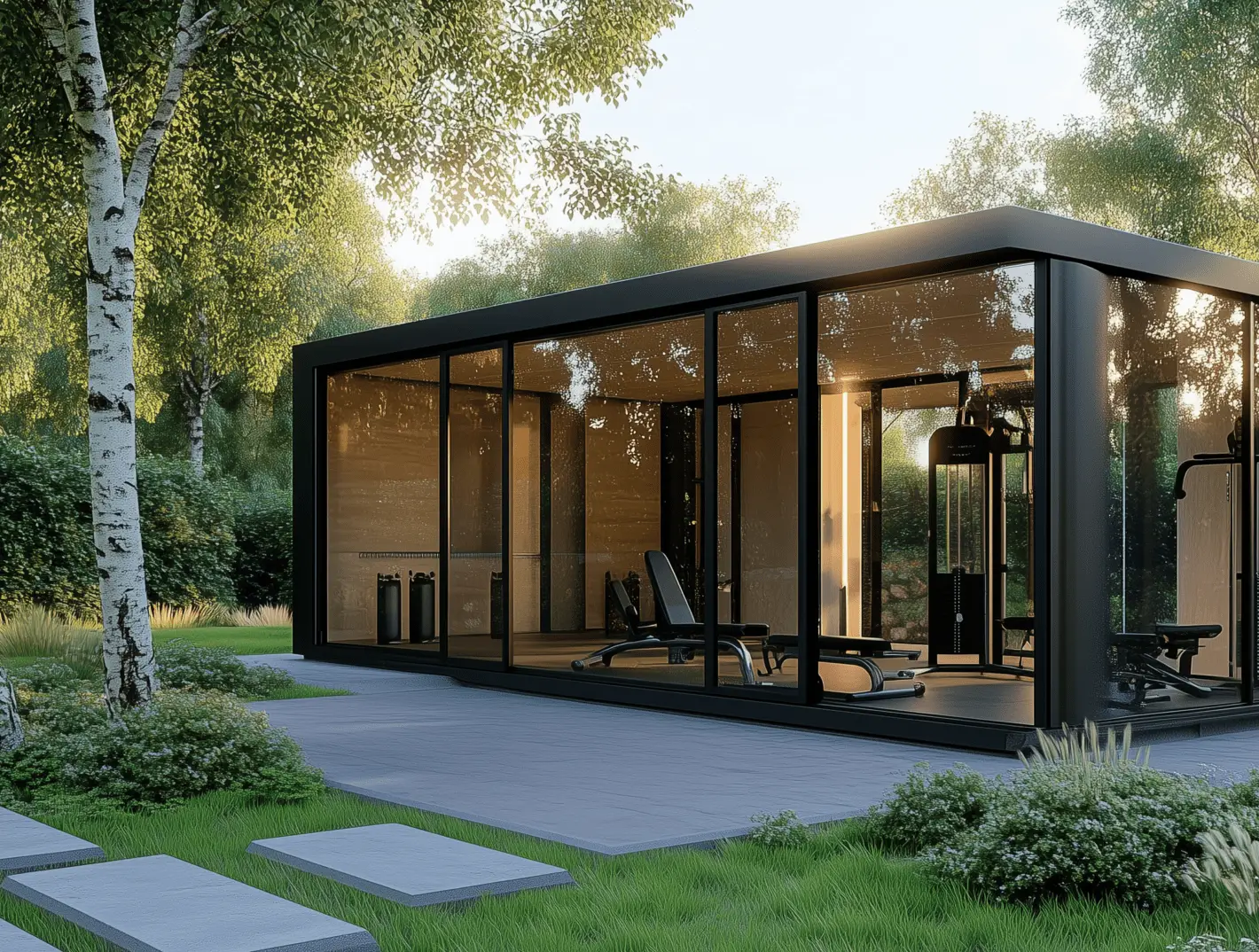
A container gym doesn’t have to be a single five-figure outlay. More and more UK businesses — hotels, sports clubs, employers building a staff wellness space, personal trainers — spread the cost with asset finance instead of paying cash up front. Here’s how it works and what you’ll actually pay each month.
What is asset finance for a container gym?
Asset finance is a way of funding equipment where a finance provider pays the manufacturer and you pay a fixed monthly amount over an agreed term. There are two common shapes in the UK:
- Hire purchase (HP) — you’re buying the Gym Box over time. The asset is on your balance sheet from day one, you pay a deposit plus fixed instalments, and at the end you own it outright for a small option-to-purchase fee.
- Finance / operating lease — you rent the Gym Box for the term and either return it, extend, or buy it for a residual value at the end. Lower monthly cost, the asset usually stays off your balance sheet.
Which one suits you depends on cash flow and how your accountant wants to treat the asset. For a deeper side-by-side, see our guide to leasing vs a bank loan for a container gym.
Who can use asset finance?
It’s available to:
- Limited companies — with filed accounts
- Partnerships and sole traders — usually 12–24 months of trading and up to date with HMRC
- Hotels, aparthotels and spas — financing a gym as part of the guest offer
- Employers — a gym as a staff benefit, funded through the business
Established businesses with regular turnover are approved quickly. Newer sole traders may be asked for additional security, such as a director’s personal guarantee.
Worked example — Gym Box 8×3
Take the Gym Box 8×3 Standard as a reference point: from £19,000 net (the equipped unit, single manufacturer’s invoice).
| Term | Deposit (10%) | Monthly payment (est., net) | Total cost |
|---|---|---|---|
| 24 months | £1,900 | around £790 | ~£20,900 |
| 36 months | £1,900 | around £555 | ~£21,900 |
| 48 months | £1,900 | around £435 | ~£22,800 |
Indicative figures at roughly 7–9% APR. The actual rate depends on the provider, your trading history and the term. On HP, the closing option-to-purchase fee is typically a nominal sum — you then own the Gym Box outright.
The tax position — why businesses finance rather than buy outright
The headline benefit is the same in spirit as elsewhere in Europe: financing keeps cash in the business and spreads a deductible cost. How it lands depends on the agreement type:
- Hire purchase. You generally claim capital allowances on the asset — often the Annual Investment Allowance (AIA), which lets many businesses deduct the full qualifying cost in year one — plus the interest portion of payments as an expense.
- Finance / operating lease. The lease rentals are usually deductible against profits, spreading the relief over the term rather than front-loading it.
VAT. A VAT-registered business recovers the 20% VAT on the purchase or, on a lease, the VAT element of the rentals — improving the effective cost either way.
Capital allowances, lease classification and timing rules change, and they depend on your wider tax position. Confirm the exact treatment with your accountant before you sign — this article is a general guide, not tax advice.
What the funder checks
A typical application needs:
- Business bank statements — the last 3–6 months
- Filed accounts or latest Self Assessment — the funder wants to see real income
- Confirmation you’re up to date with HMRC
- Company details (Companies House registration, or sole-trader details)
- Sometimes a short business plan or director’s guarantee on larger amounts
Decision time is usually 1–5 working days for a standard application.
FAQ — financing a container gym
Can I finance the gym and the equipment together? Yes. The funder finances the whole package — the container and the training kit — as long as it’s a single item on one invoice from the manufacturer.
What if I want to settle early? You can, but there may be an early settlement figure or fee. Worth checking that clause before you sign.
Does the Gym Box have to be at my business premises? No. It needs to be used for the business. A unit on a director’s own land that serves staff or clients normally qualifies — confirm the detail with your accountant.
Can I finance it as a private individual? Asset finance is for businesses. Without a business, a personal loan or a staged payment plan (deposit, payment before production, balance before delivery) is the usual route. See how the costs compare in our container gym cost guide.
Plan the numbers before you commit
A few things to line up first:
➜ The unit and package you want — the Gym Box 8×3 is the popular all-rounder, the Gym Box 6×5 the bestseller for a fuller layout ➜ A rough budget — our pricing configurator gives a net and finance-friendly figure in a couple of minutes ➜ How quickly you need it — build to delivery is typically 8–12 weeks
Want a specific quote and an introduction to a finance provider we work with?
➜ Get in touch with Gym Assistance — free consultation, reply within 24 hours ➜ Build your spec and see the figures