
Why this matters
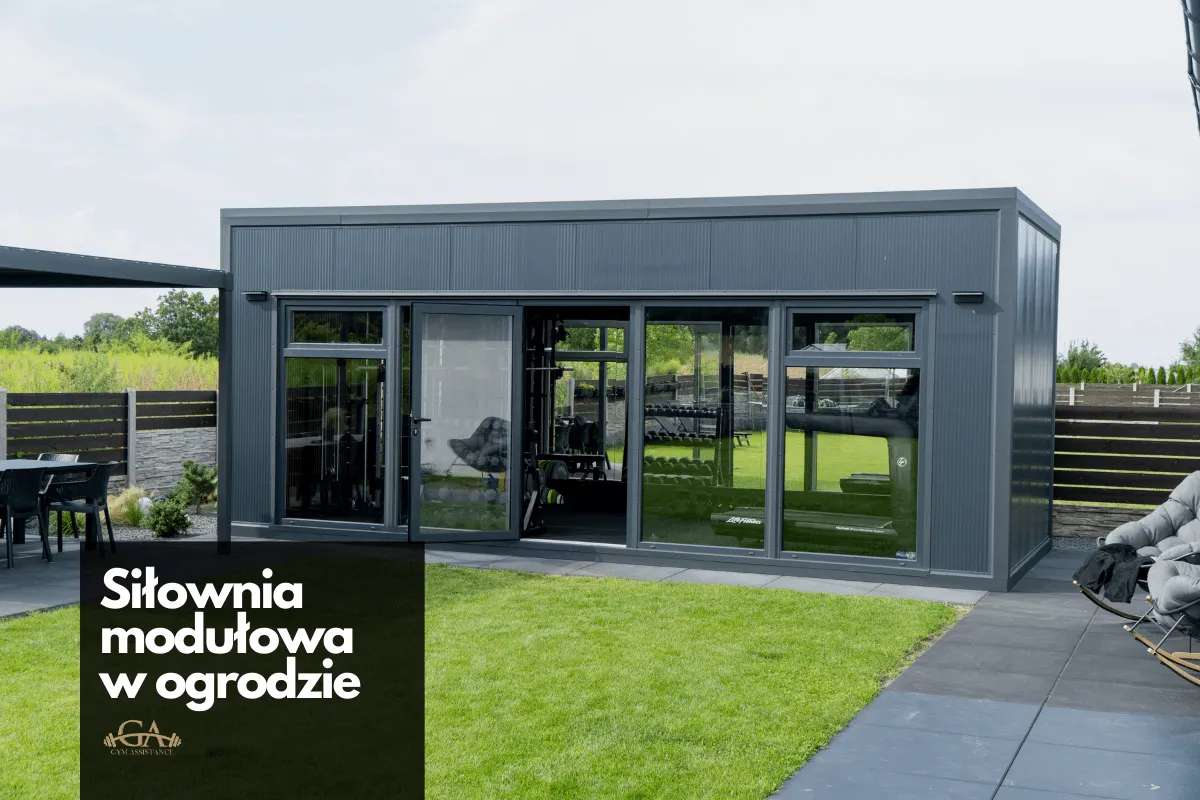
A container gym is a £30,000–£80,000 purchase, and the worst surprises happen 3 months in: condensation on the wrong walls, electrical board not certified, planning issues with the council, “Polish equipment” that’s actually unbranded white-label. This is the checklist we’d want our buyer to run — even if it’s not us.
Insulation and shell
Ask: What’s the wall U-value, what’s the insulation material and thickness, and is there a vapour barrier on the warm side?
Good answer: 120 mm mineral wool (or PIR), U-value ≤0.25 W/m²K, vapour barrier between insulation and internal cladding, EPDM membrane on roof.
Bad answer: “Foam panel” with no thickness, no U-value disclosed. Foam-panel-only construction is fine for storage but not for a gym used through a UK winter.
Electrical
Ask: Is the installation Part P certified? Will I receive an EIC (Electrical Installation Certificate)?
Good answer: Yes — work done by a Part P registered electrician (NICEIC, NAPIT or Elecsa), EIC issued on completion.
Bad answer: “Polish electrician on the team.” Polish certification doesn’t transfer to UK Part P. Without an EIC, your home insurance may refuse claims linked to the gym.
Transit and delivery damage
Ask: Who is responsible for damage in transit? Who handles offload?
Good answer: The supplier is responsible for the module until it is handed over on your site, and anything that shows up later falls under the warranty. They arrange the crane offload (typically 30–60 min) and insure the load during transport.
Bad answer: “You arrange your own crane.” A 5-tonne module dropped onto an uneven surface = £4,000–£8,000 repair, your problem.
Foundations
Ask: What foundation type do you recommend for my site, and do you provide a structural calculation?
Good answer: Foundation advice before the quote, based on your plot plan, photos and ground details. Standard recommendation: 6–8 concrete pad foundations or screw piles. Calculation included for soils requiring more (clay, peat, slope).
Bad answer: “Just put it on paving slabs.” Fine for 2 tonnes, problematic for a fitted 4-tonne module — settling within 12 months.
Planning support
Ask: Will you supply drawings and documentation for a Lawful Development Certificate or planning application?
Good answer: Yes — measured drawings, materials specification, design rationale included in turnkey price.
Bad answer: “Planning is your responsibility.” True legally — but without drawings from the supplier, the whole application lands on you.
Warranty
Ask: What exactly does the warranty cover, and for how long? What about the equipment? Who services the module once the warranty is over?
Good answer: Written terms that cover the whole module — structure, installations and finish — not just the steel frame; equipment under the manufacturer’s warranty; a named contact for service during and after the warranty.
Bad answer: A vague “it’s all guaranteed” with nothing in writing, no list of what’s covered and nobody to call once the module is in your garden.
For comparison, our terms: a 2-year warranty on the Gym Box (structure, installations, finish); equipment is covered by the manufacturer’s warranty. Your statutory rights are not affected. After the warranty you can continue with service care on individually agreed terms.
Used container gyms — is it worth it?
Occasionally a used container gym appears on Marktplaats, eBay or Vinted at 40–60% of new price. Most are sold because the owner moved or upgraded — genuine reason. But:
- Inspect on site before paying — bring a damp meter, look at floor edges and roof corners
- Test the electrical — RCD trip test, insulation test (an electrician can do for £80)
- Verify the title — used containers are sometimes sold without proof of ownership; ask for original purchase docs
- Plan transit cost — moving a fitted container = £800–£2,000 depending on distance and crane access
- Budget for refit — equipment is rarely included, gaskets/seals often need replacement after 4–5 years
Realistic saving on used vs new (after refit + transit): 20–35%, not the 50% headline number.
Red flags
➜ No physical address listed (UK or Polish — both fine, but should exist) ➜ Pressure to pay 50%+ deposit before the plot and foundation are clarified ➜ No previous installations listed (or only one with no contact info) ➜ Pricing “from £8,000” with no clear scope of what’s included ➜ Refusal to provide referee contacts from past customers
What we recommend
Whoever you buy from — ask for:
- Two past customer contacts you can call (not just photos)
- Sample EIC + warranty documents
- Foundation advice before the quote — based on your plot plan, photos and ground details, with a soil survey if in doubt
- Itemised quote showing module, fit-out, transport, install separately
If a supplier can’t do all four — keep looking.
Free consultation → — ask us for any of these before you decide: an itemised quote, our warranty terms in writing and references from past projects in Poland.
Related: Container gym vs home gym → | How much does a container gym cost in the UK → | Planning permission UK →